

832.481.7082
Houston, TX
832.481.7082
Houston, TX

Custody Order Enforcement in Texas: What to Do When Your Co-Parent Ignores the Order

Parent waiting in a car after a denied custody exchange, a common trigger for custody order enforcement in Texas
Share on Facebook
Share on X
Share on LinkedIn

It’s 6:15 on a Friday and you’re still in the parking lot, watching the door. The kids aren’t coming out. This is the third time since March, the texts you sent an hour ago haven’t been read, and custody order enforcement in Texas has gone from something you read about once to the only option left.

Most parents wait far too long to get here. They talk themselves out of it, usually because someone told them court is expensive, slow, and pointless. Some of that is true. Most of it isn’t. The part people get wrong most often is the cost, since the statute shifts your attorney’s fees onto the parent who broke the order.

What follows is how the process actually runs in Harris County and the counties around it.

What Counts as a Violation

A parent who shows up fifteen minutes late once won’t end up in front of a judge, and you shouldn’t want them to. Courts distinguish between friction and defiance. What they act on is a pattern, or a single act that plainly contradicts the order.

The complaints that come through Houston-area courts most often involve:

  • Refusing to release the children for a court-ordered possession period
  • Returning them days late
  • Blocking phone or video contact the order guarantees
  • Moving outside the geographic restriction
  • Cutting a joint managing conservator out of school or medical decisions
  • Hiding a new address the order requires be disclosed

One misconception causes more damage than the rest combined. Support and possession are separate obligations. You cannot hold back visitation because support is behind, and your co-parent cannot hold back your time because you are. Judges in Harris, Fort Bend, and Montgomery counties have seen that argument a thousand times. The parent making it usually walks out worse off.

Custody Order Enforcement Lives or Dies on Evidence

Here is the defense you will hear, almost word for word: “I was there. He never showed up.”

That’s why the Thursday-night text telling you not to bother coming is a trap. If you believe it and stay home, you’ve handed your ex a clean defense and there’s no record contradicting it. TexasLawHelp.org’s guide on enforcing a visitation order makes the same point. It’s the most common reason enforcement cases collapse.

Go anyway, every time, even when you’re certain it’s pointless.

Build the Record

Then prove you were there. Buy a drink at the gas station down the block and hold onto the timestamped receipt. Take a geotagged photo from the driveway. Bring your sister or a neighbor who can testify to what they saw. Plenty of parents run everything through a co-parenting app for this reason alone. The exchange logs are timestamped, and nobody can go back and edit them.

Keep a log too, with the date, the time, the address, what happened, and who else was present.

The difference between a case that wins and one that gets dismissed is usually specificity. “He denied me possession several times last summer” gives a judge nothing to rule on. “June 6, 6:00 p.m., 1400 Grand Parkway in Katy. Waited 45 minutes. Called twice, texted three times, no response.” That’s a finding a court can make.
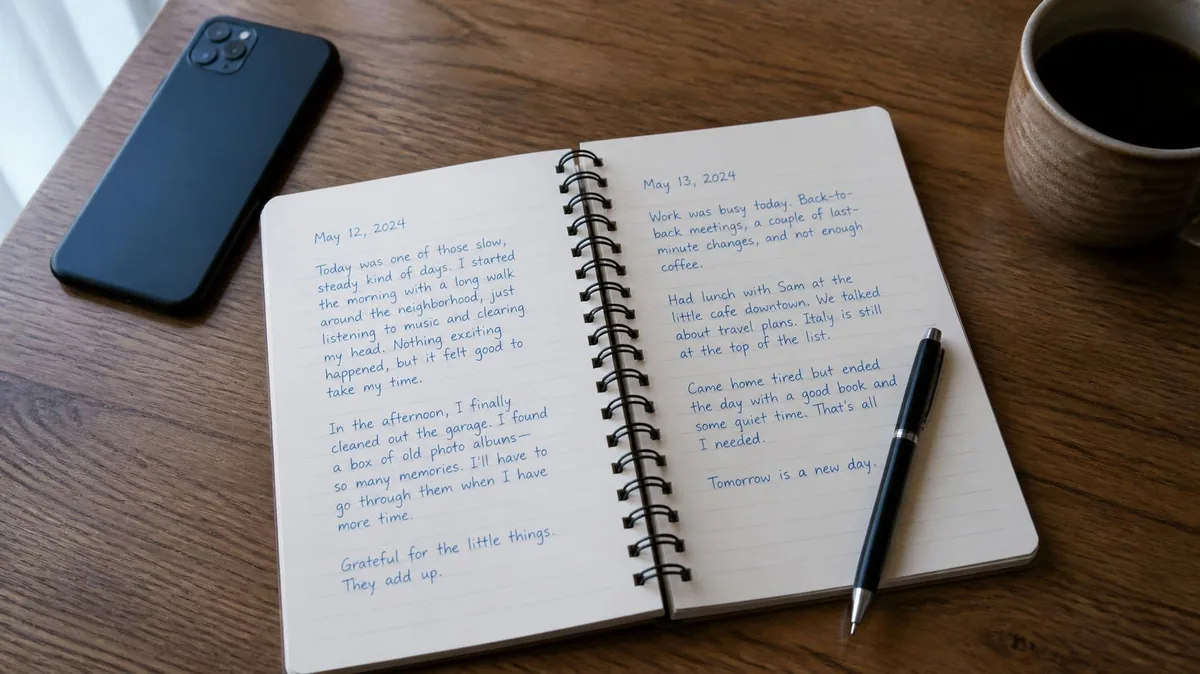
Notebook used to log dates and times of denied visitation in Texas

How to File for Custody Order Enforcement

The pleading requirements here are stricter than almost anything else in family law. Contempt can send someone to jail, so courts demand precision. Courts treat the motion a little like an indictment.

Texas Family Code Chapter 157 requires the motion to identify the specific provision violated, describe how your co-parent failed to comply, and state the relief you want. For possession and access, you also have to plead the date, place, and time of each separate incident. A summary won’t do it, and a motion that says “numerous occasions” will get knocked out on its face.

The upside of that specificity is real. Every violation you plead correctly is a separate act the court can punish. Twelve missed weekends is twelve violations, not one.

Where It Gets Filed

Enforcement goes back to the court of continuing, exclusive jurisdiction, which is the court that signed your order. For most families here that means a Harris County family district court at 201 Caroline, or the district court in Richmond or Conroe. Moving to a different county doesn’t move your case.

Your co-parent has to be personally served with the motion and the hearing notice, generally at least ten days out. If they’re served and don’t appear, the judge can issue a capias.

What a Judge Can Order

Contempt is the remedy with teeth. Criminal contempt carries up to six months in county jail and a $500 fine for each act. Civil contempt keeps someone confined until they comply. In practice a first-time violator usually leaves with a suspended sentence rather than a jail term. The conditions attached are real, and so is what happens if they’re broken.

Makeup possession time is more common and often matters more to the parent who filed. The court can order additional periods to replace what you lost, and specify exactly when they happen. A missed Thanksgiving doesn’t just disappear.

Then there’s the fee provision, which is the one most parents don’t know about. Under Section 157.167, when the court finds a violation it shall order the other side to pay your reasonable attorney’s fees and court costs. That’s mandatory language. Collecting on the judgment is its own project, but the finding isn’t discretionary.

The court can also require a bond if possession has been denied twice or more, and forfeit it on the next violation. And when a provision is too vague to enforce by contempt, a judge can issue a clarifying order. That order spells out what each parent must do going forward. It can’t change the substance of the original terms.

Custody Order Enforcement or Modification?

These get confused constantly, and filing the wrong one costs months.

Enforcement says the order is fine and you want it followed. Modification says the order stopped working and you want it changed. That’s a Chapter 156 case requiring a material and substantial change in circumstances. Different filing, different proof, different outcome.

If the real problem is that your ex took a job at the medical center and now works nights, contempt solves nothing. Our guide to modifying a child custody order in Texas covers what that requires.

A lot of families file both, and there’s nothing wrong with that. Enforce what already happened; modify what stopped fitting.

When Waiting Isn’t an Option

Enforcement runs on the court’s calendar. Depending on the docket, a hearing date in Harris County can be weeks or a couple of months out. That’s fine when the problem is a pattern of missed weekends. It’s useless when it isn’t.

If your child is in danger right now, or a parent has simply refused to return them, that timeline doesn’t work. Emergency custody orders in Texas move on a much shorter clock, sometimes without notice to the other side.

Chapter 157 also provides a habeas corpus remedy for a parent with a clear right to immediate possession. It’s narrow but fast, and it exists precisely for the parent who won’t hand the child back.

Taking or retaining a child in violation of a court order can also become criminal. Texas Penal Code Section 25.03 makes interference with child custody a state jail felony. Officers won’t referee an ordinary visitation dispute, and calling them over a late exchange rarely helps. Abduction is a different matter.

The Deadline Nobody Mentions

For possession and access violations, the court keeps its contempt power only for a limited window. The motion has to be filed within six months after the child turns 18 or the right of possession ends.

That’s the outer limit, not a target. Judges want to see that a violation mattered enough to act on. A denial you tolerated for two years reads differently than one you addressed in April. Witnesses forget. Receipts get thrown out. File while the record is still fresh.

Things That Quietly Help Your Case

Stay clean yourself. Nothing undercuts an enforcement case faster than a respondent pointing at your own missed payments or late returns. Keep your written communication civil. Those texts end up as exhibits, and the calmer parent looks better on paper. Leave the children out of it entirely. Asking a nine-year-old to record an exchange hurts you more than anything your ex did. And bring the order itself, marked up, with every violated provision flagged.

The state’s access and visitation program, Texas Access, publishes a plain-language overview if you want to read further before deciding.

Talk to a Houston Family Law Attorney

Custody order enforcement is one of those areas where technical execution decides the case. A motion missing dates gets dismissed. So does one built on an order too vague to enforce, no matter how badly your co-parent behaved. If you’re on the receiving end of an enforcement motion, the stakes are just as high in the other direction.

Lynette Philip has spent more than 24 years handling custody matters for families in Houston, Katy, Sugar Land, and Montgomery County. If your order has stopped meaning anything, reach out to Philip Family Law Firm. Bring the order and whatever documentation you’ve kept.

There’s more on conservatorship and grandparents’ custody rights in Texas on our family law blog.

Frequently Asked Questions

Can the police enforce my custody order in Texas?

Usually not. Custody orders are civil. Officers won’t force a handoff during a routine dispute, though they may write a report you can use as evidence. If a child is taken or kept in violation of the order, it can become a criminal matter under Penal Code 25.03.

How long does custody order enforcement take in Harris County?

Filing to final hearing commonly runs two to six months. It depends on the docket, how quickly your co-parent is served, and whether their attorney asks for a continuance. Emergencies move considerably faster.

Can I stop paying child support if I’m being denied visitation?

No. They’re independent obligations under Texas law. Withholding support gives your co-parent grounds to file against you and damages your credibility with the judge hearing your case.

Will the other parent actually go to jail?

It happens, but rarely on a first violation. Courts typically start with makeup time, attorney’s fees, and a suspended sentence with conditions. The parents who serve time are usually the ones who ignored those conditions.

Do I have to pay my own attorney’s fees?

Not if you prevail. Section 157.167 requires the court to order the violating parent to pay your reasonable fees and costs when it finds a violation.

What if the order is too vague to enforce?

Ask for a clarifying order. The judge can spell out exactly what each parent must do. Once the compliance deadline passes, future violations become enforceable by contempt.


This article is general information about Texas law, not legal advice, and reading it does not create an attorney-client relationship. Enforcement outcomes turn on specific facts. For guidance on your own case, speak with a licensed Texas family law attorney. Additional free resources are available through the Texas State Law Library’s family law guide.

Parent waiting in a car after a denied custody exchange, a common trigger for custody order enforcement in Texas
Custody Order Enforcement in Texas: What to Do When Your Co-Parent Ignores the Order

It’s 6:15 on a Friday and you’re still in the parking lot, watching the door. The kids aren’t coming out. This is the third time since March, the texts you sent an hour ago haven’t been read, and custody order enforcement in Texas has gone from something you read about once to the only option left.

Most parents wait far too long to get here. They talk themselves out of it, usually because someone told them court is expensive, slow, and pointless. Some of that is true. Most of it isn’t. The part people get wrong most often is the cost, since the statute shifts your attorney’s fees onto the parent who broke the order.

What follows is how the process actually runs in Harris County and the counties around it.

What Counts as a Violation

A parent who shows up fifteen minutes late once won’t end up in front of a judge, and you shouldn’t want them to. Courts distinguish between friction and defiance. What they act on is a pattern, or a single act that plainly contradicts the order.

The complaints that come through Houston-area courts most often involve:

  • Refusing to release the children for a court-ordered possession period
  • Returning them days late
  • Blocking phone or video contact the order guarantees
  • Moving outside the geographic restriction
  • Cutting a joint managing conservator out of school or medical decisions
  • Hiding a new address the order requires be disclosed

One misconception causes more damage than the rest combined. Support and possession are separate obligations. You cannot hold back visitation because support is behind, and your co-parent cannot hold back your time because you are. Judges in Harris, Fort Bend, and Montgomery counties have seen that argument a thousand times. The parent making it usually walks out worse off.

Custody Order Enforcement Lives or Dies on Evidence

Here is the defense you will hear, almost word for word: “I was there. He never showed up.”

That’s why the Thursday-night text telling you not to bother coming is a trap. If you believe it and stay home, you’ve handed your ex a clean defense and there’s no record contradicting it. TexasLawHelp.org’s guide on enforcing a visitation order makes the same point. It’s the most common reason enforcement cases collapse.

Go anyway, every time, even when you’re certain it’s pointless.

Build the Record

Then prove you were there. Buy a drink at the gas station down the block and hold onto the timestamped receipt. Take a geotagged photo from the driveway. Bring your sister or a neighbor who can testify to what they saw. Plenty of parents run everything through a co-parenting app for this reason alone. The exchange logs are timestamped, and nobody can go back and edit them.

Keep a log too, with the date, the time, the address, what happened, and who else was present.

The difference between a case that wins and one that gets dismissed is usually specificity. “He denied me possession several times last summer” gives a judge nothing to rule on. “June 6, 6:00 p.m., 1400 Grand Parkway in Katy. Waited 45 minutes. Called twice, texted three times, no response.” That’s a finding a court can make.

Notebook used to log dates and times of denied visitation in Texas

How to File for Custody Order Enforcement

The pleading requirements here are stricter than almost anything else in family law. Contempt can send someone to jail, so courts demand precision. Courts treat the motion a little like an indictment.

Texas Family Code Chapter 157 requires the motion to identify the specific provision violated, describe how your co-parent failed to comply, and state the relief you want. For possession and access, you also have to plead the date, place, and time of each separate incident. A summary won’t do it, and a motion that says “numerous occasions” will get knocked out on its face.

The upside of that specificity is real. Every violation you plead correctly is a separate act the court can punish. Twelve missed weekends is twelve violations, not one.

Where It Gets Filed

Enforcement goes back to the court of continuing, exclusive jurisdiction, which is the court that signed your order. For most families here that means a Harris County family district court at 201 Caroline, or the district court in Richmond or Conroe. Moving to a different county doesn’t move your case.

Your co-parent has to be personally served with the motion and the hearing notice, generally at least ten days out. If they’re served and don’t appear, the judge can issue a capias.

What a Judge Can Order

Contempt is the remedy with teeth. Criminal contempt carries up to six months in county jail and a $500 fine for each act. Civil contempt keeps someone confined until they comply. In practice a first-time violator usually leaves with a suspended sentence rather than a jail term. The conditions attached are real, and so is what happens if they’re broken.

Makeup possession time is more common and often matters more to the parent who filed. The court can order additional periods to replace what you lost, and specify exactly when they happen. A missed Thanksgiving doesn’t just disappear.

Then there’s the fee provision, which is the one most parents don’t know about. Under Section 157.167, when the court finds a violation it shall order the other side to pay your reasonable attorney’s fees and court costs. That’s mandatory language. Collecting on the judgment is its own project, but the finding isn’t discretionary.

The court can also require a bond if possession has been denied twice or more, and forfeit it on the next violation. And when a provision is too vague to enforce by contempt, a judge can issue a clarifying order. That order spells out what each parent must do going forward. It can’t change the substance of the original terms.

Custody Order Enforcement or Modification?

These get confused constantly, and filing the wrong one costs months.

Enforcement says the order is fine and you want it followed. Modification says the order stopped working and you want it changed. That’s a Chapter 156 case requiring a material and substantial change in circumstances. Different filing, different proof, different outcome.

If the real problem is that your ex took a job at the medical center and now works nights, contempt solves nothing. Our guide to modifying a child custody order in Texas covers what that requires.

A lot of families file both, and there’s nothing wrong with that. Enforce what already happened; modify what stopped fitting.

When Waiting Isn’t an Option

Enforcement runs on the court’s calendar. Depending on the docket, a hearing date in Harris County can be weeks or a couple of months out. That’s fine when the problem is a pattern of missed weekends. It’s useless when it isn’t.

If your child is in danger right now, or a parent has simply refused to return them, that timeline doesn’t work. Emergency custody orders in Texas move on a much shorter clock, sometimes without notice to the other side.

Chapter 157 also provides a habeas corpus remedy for a parent with a clear right to immediate possession. It’s narrow but fast, and it exists precisely for the parent who won’t hand the child back.

Taking or retaining a child in violation of a court order can also become criminal. Texas Penal Code Section 25.03 makes interference with child custody a state jail felony. Officers won’t referee an ordinary visitation dispute, and calling them over a late exchange rarely helps. Abduction is a different matter.

The Deadline Nobody Mentions

For possession and access violations, the court keeps its contempt power only for a limited window. The motion has to be filed within six months after the child turns 18 or the right of possession ends.

That’s the outer limit, not a target. Judges want to see that a violation mattered enough to act on. A denial you tolerated for two years reads differently than one you addressed in April. Witnesses forget. Receipts get thrown out. File while the record is still fresh.

Things That Quietly Help Your Case

Stay clean yourself. Nothing undercuts an enforcement case faster than a respondent pointing at your own missed payments or late returns. Keep your written communication civil. Those texts end up as exhibits, and the calmer parent looks better on paper. Leave the children out of it entirely. Asking a nine-year-old to record an exchange hurts you more than anything your ex did. And bring the order itself, marked up, with every violated provision flagged.

The state’s access and visitation program, Texas Access, publishes a plain-language overview if you want to read further before deciding.

Talk to a Houston Family Law Attorney

Custody order enforcement is one of those areas where technical execution decides the case. A motion missing dates gets dismissed. So does one built on an order too vague to enforce, no matter how badly your co-parent behaved. If you’re on the receiving end of an enforcement motion, the stakes are just as high in the other direction.

Lynette Philip has spent more than 24 years handling custody matters for families in Houston, Katy, Sugar Land, and Montgomery County. If your order has stopped meaning anything, reach out to Philip Family Law Firm. Bring the order and whatever documentation you’ve kept.

There’s more on conservatorship and grandparents’ custody rights in Texas on our family law blog.

Frequently Asked Questions

Can the police enforce my custody order in Texas?

Usually not. Custody orders are civil. Officers won’t force a handoff during a routine dispute, though they may write a report you can use as evidence. If a child is taken or kept in violation of the order, it can become a criminal matter under Penal Code 25.03.

How long does custody order enforcement take in Harris County?

Filing to final hearing commonly runs two to six months. It depends on the docket, how quickly your co-parent is served, and whether their attorney asks for a continuance. Emergencies move considerably faster.

Can I stop paying child support if I’m being denied visitation?

No. They’re independent obligations under Texas law. Withholding support gives your co-parent grounds to file against you and damages your credibility with the judge hearing your case.

Will the other parent actually go to jail?

It happens, but rarely on a first violation. Courts typically start with makeup time, attorney’s fees, and a suspended sentence with conditions. The parents who serve time are usually the ones who ignored those conditions.

Do I have to pay my own attorney’s fees?

Not if you prevail. Section 157.167 requires the court to order the violating parent to pay your reasonable fees and costs when it finds a violation.

What if the order is too vague to enforce?

Ask for a clarifying order. The judge can spell out exactly what each parent must do. Once the compliance deadline passes, future violations become enforceable by contempt.


This article is general information about Texas law, not legal advice, and reading it does not create an attorney-client relationship. Enforcement outcomes turn on specific facts. For guidance on your own case, speak with a licensed Texas family law attorney. Additional free resources are available through the Texas State Law Library’s family law guide.

Attorney Advertising
Website developed in accordance with Web Content Accessibility Guidelines 2.2.
If you encounter any issues while using this site, please contact us: 832-962-2367
Website Development by SEO Impact Pros
832.481.7082
Houston, TX
832.481.7082
Houston, TX